Cold at the bottom, hot at the top, and a boiler that runs constantly. Here's what sludge does to a heating system.
Magnetite sludge is the black iron oxide that builds up inside radiators over years of corrosion. It settles at the bottom of the radiator, which is why the classic symptom is a rad that's hot across the top and stone cold at the base.
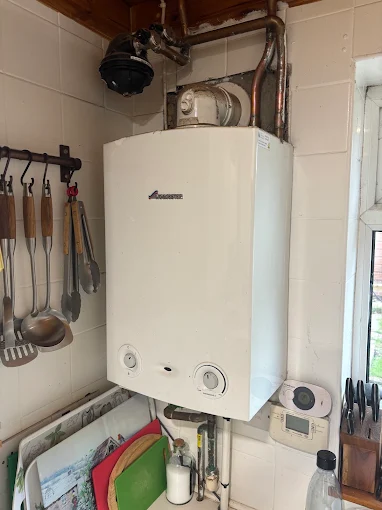
Left alone it blocks pipework, clogs the pump and heat exchanger, and forces your boiler to fire harder for the same room temperature, so you feel it on the gas bill as well as the comfort.
A power flush pushes water and cleaning chemicals through the system at high velocity to lift the debris out, followed by a corrosion inhibitor to slow it happening again.
If your system has never had a magnetic filter fitted, we'd always recommend adding one at the same time. It catches the iron oxide before it reaches the boiler and takes two minutes to clean at each service.
Not every cold radiator needs a flush. Sometimes it's air, a sticking thermostatic valve, or a system that simply needs balancing, we'll tell you which one it is before quoting.